
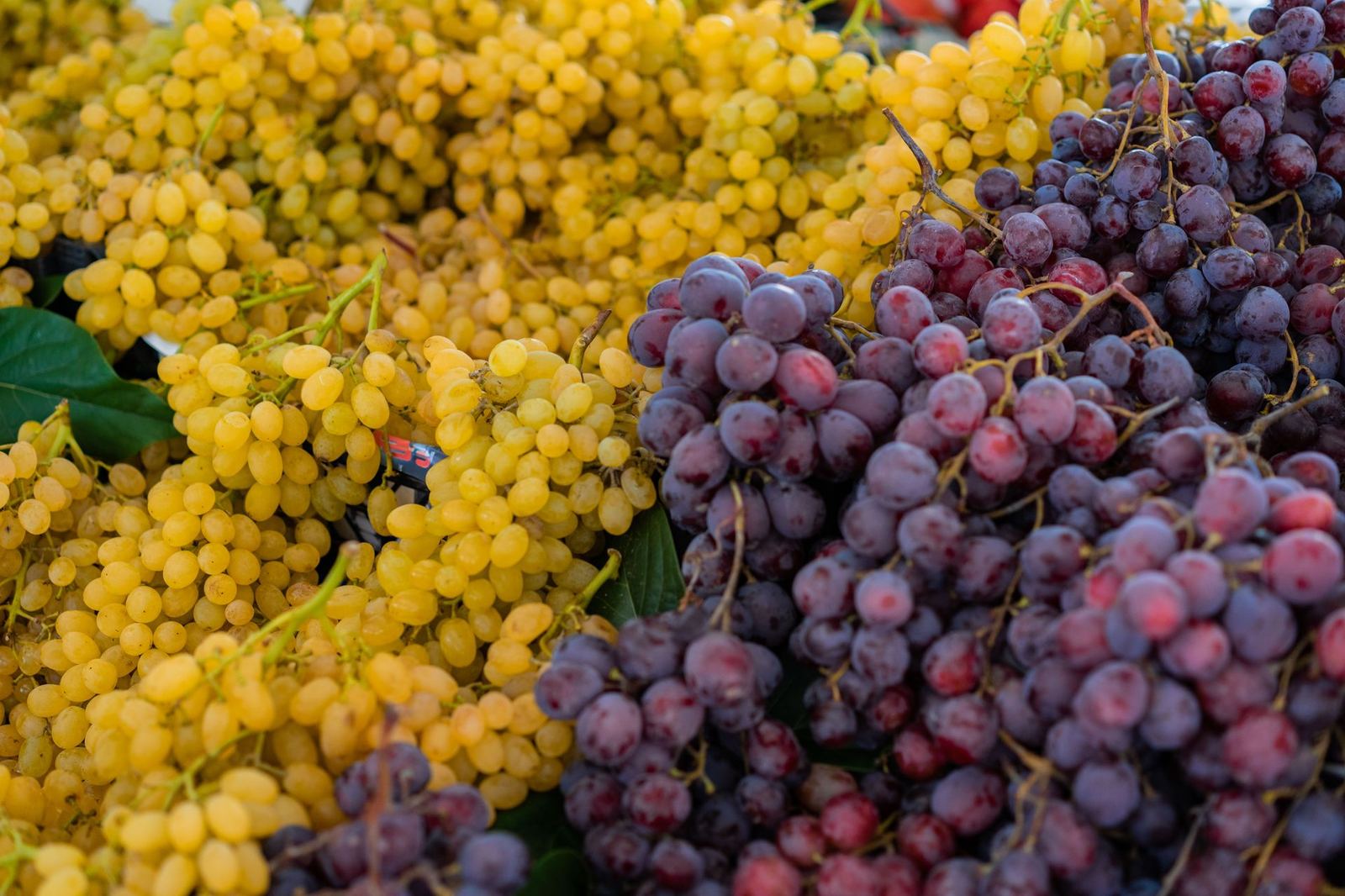
The eleven native grapes at the heart of our wine list and the regions where they grow.
Anatolia is considered one of the places where the vine was domesticated and is among the oldest vine-growing lands in the world. Türkiye is estimated to have hundreds of native grape varieties today, though only a small number are regularly made into wine. In this post we briefly introduce the native grapes at the heart of our wine list and the regions where they grow. This post is for information only.
White grapes
- Emir (Cappadocia): grown on volcanic tuff above 1,000 metres; light, high in acid and mineral, and also suited to sparkling wine.
- Narince (Tokat): the grape of the Yeşilırmak valley, with citrus and white-flower aromas; its leaves are the famous Tokat vine leaves.
- Sultaniye (Aegean): the seedless grape of Manisa and Denizli; known as a raisin grape, but it also makes light, fresh wines.
- Bornova Misketi (İzmir): an aromatic, floral muscat made in dry and sweet styles.
- Kolorko and Vasilaki (Bozcaada): saline, mineral whites grown in the island wind.
Red grapes
- Kalecik Karası (Ankara): pale, red-fruited and soft in tannin; served slightly cool.
- Öküzgözü (Elazığ): large-berried, with sour cherry aromas and lively acidity.
- Boğazkere (Diyarbakır): Türkiye's most tannic grape, with dark fruit and spice.
- Papaskarası (Thrace): light and red-fruited, also used for rosé.
- Karalahna (Bozcaada): the island's full, powerful red.
- Çalkarası (Denizli): thin-skinned and mostly made into rosé.
Why native grapes?
Over centuries, native grapes have adapted to the climate, soil and diseases of their regions. That makes them both the best reflection of a region's character and more resilient to changing climate. In recent years many small producers have been reviving native varieties that were close to disappearing; the comeback of Kalecik Karası is the best-known example.
One grape, one table
Each native grape makes more sense alongside its region's cooking. Tokat's Narince with vine-leaf rolls, Cappadocia's Emir with clay-pot dishes, Elazığ's Öküzgözü with köfte: they are parts of the same landscape. That is why our kitchen keeps a plate from every region.
On our Vineyard Regions page you can explore each region's climate, altitude and soil in detail. Our wine list is for information only; our wines are served only on the premises to guests aged 18 and over.
The vine in history
Vine growing in Anatolia goes back thousands of years. Depictions of grapes and vines appear among the remains of many civilisations that lived here, from the Hittites and Phrygians to the Urartians and Lydians. The reliefs with grape clusters you can see in museums today show the vine's place in this land's culture, and native grapes are the living witnesses of that long story.
Related Posts
 Anatolian Vineyards
What Is Responsible Service? A Wine House's Rules on Age and Safety
Law No. 4250, age checks, alcohol-free pairing and getting home safely.